
WDIR Report Validity and Inspection Timing
Learn what WDIR report validity means in North Carolina, when lenders may require a new inspection, and how to protect a real estate closing from delays.
Learn what WDIR report validity means in North Carolina, when lenders may require a new inspection, and how to protect a real estate closing from delays.

Compare a home inspection versus WDIR report for North Carolina buyers. Learn what each covers, what it can miss, and when you may need both for closing.

Learn what a wood destroying insect report covers, what findings mean, and how Eastern North Carolina buyers and sellers can respond with confidence.
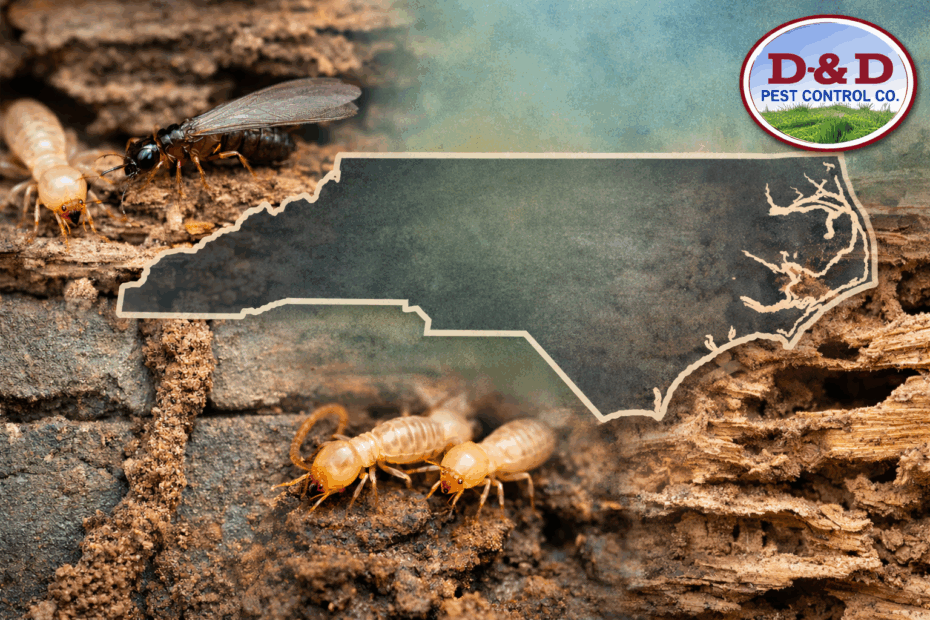
Eastern Subterranean Termites are among the most destructive wood-destroying insects in Eastern North Carolina. Our warm, humid climate and frequent moisture conditions make it easier for termite colonies to thrive, often causing serious structural damage long before a homeowner realizes… Read More »Eastern Subterranean Termites
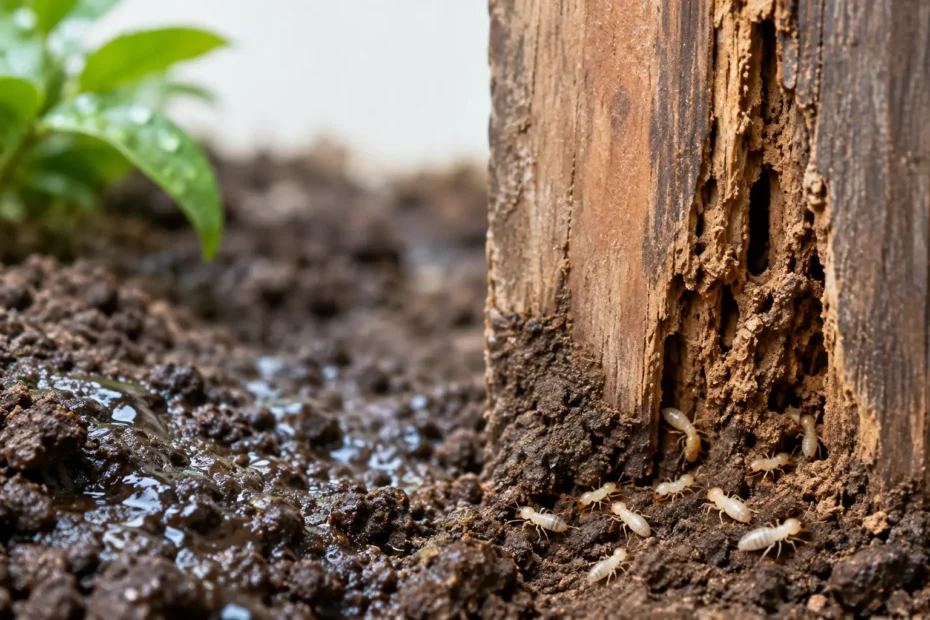
Can moisture attract subterranean termites? Learn why damp crawlspaces, leaks, and wet soil raise termite risk – and how to protect North Carolina home.
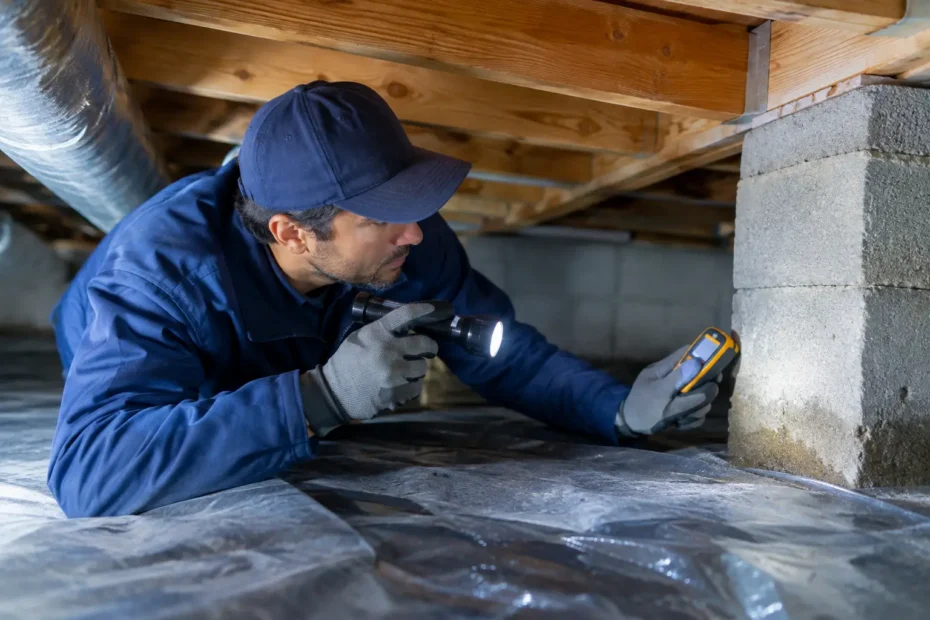
Learn how inspect crawlspace moisture, spot drainage and vapor-barrier problems, and know when Eastern North Carolina homes need a professional assessment
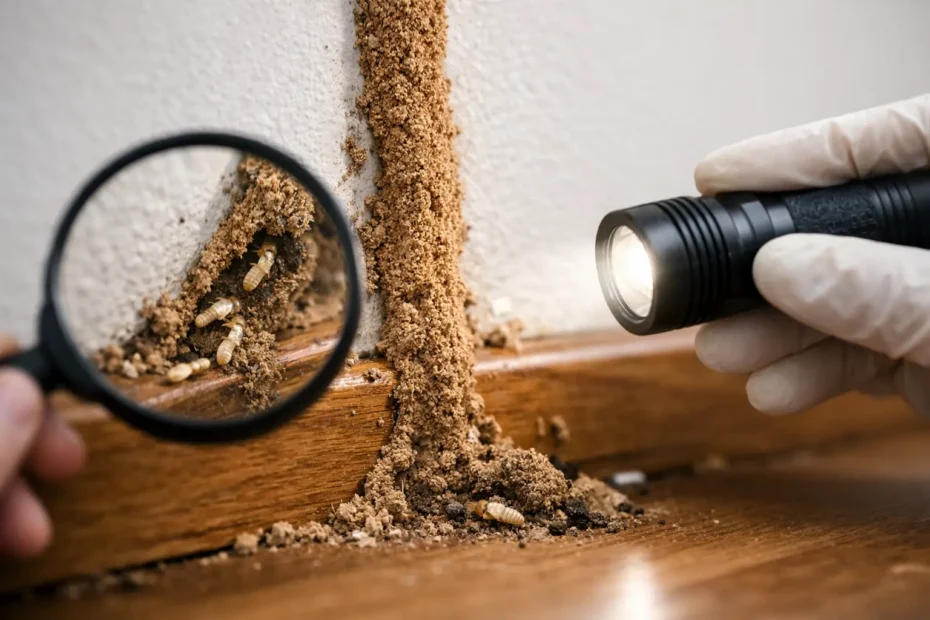
Learn how to identify termite mud tubes, where to inspect, what they mean, and when Eastern North Carolina homeowners should arrange a termite inspection.
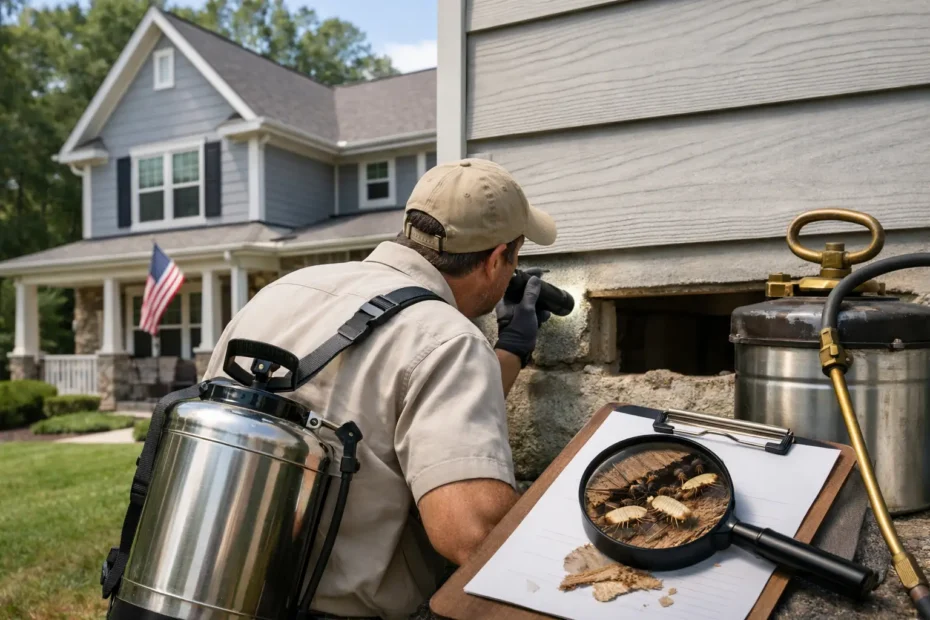
When is WDIR required in North Carolina? See when lenders, buyers, and contracts request this inspection and what the report may show before closing day.
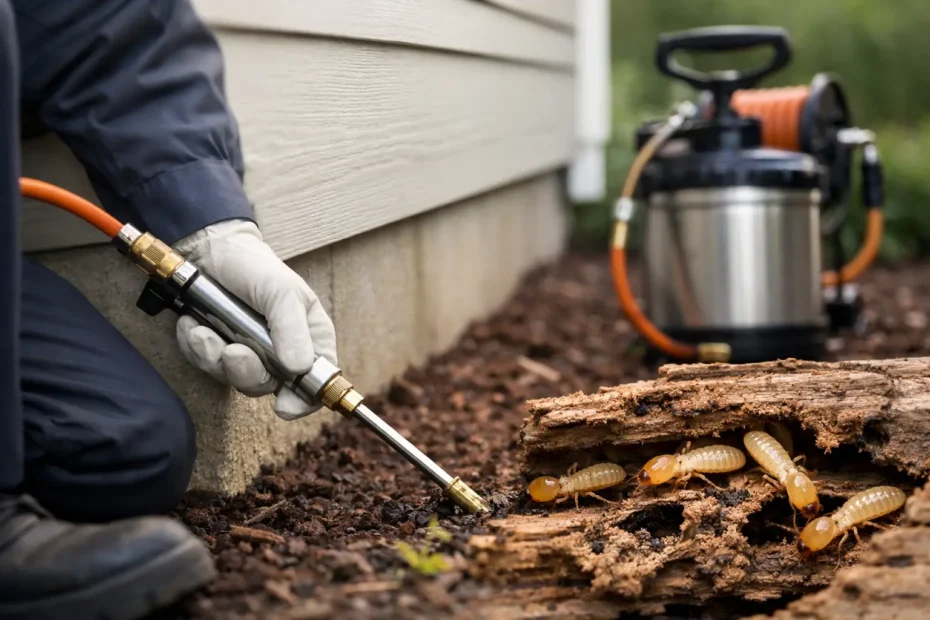
Learn when a termite booster treatment can reinforce protection, what an inspection should uncover, and how Eastern NC moisture conditions affect risk.

See how a Termidor Perimeter Plus treatment protects Eastern North Carolina homes from termites and crawling pests through inspection and safe application.