Skip to content

January 2026

Crickets, Cricket

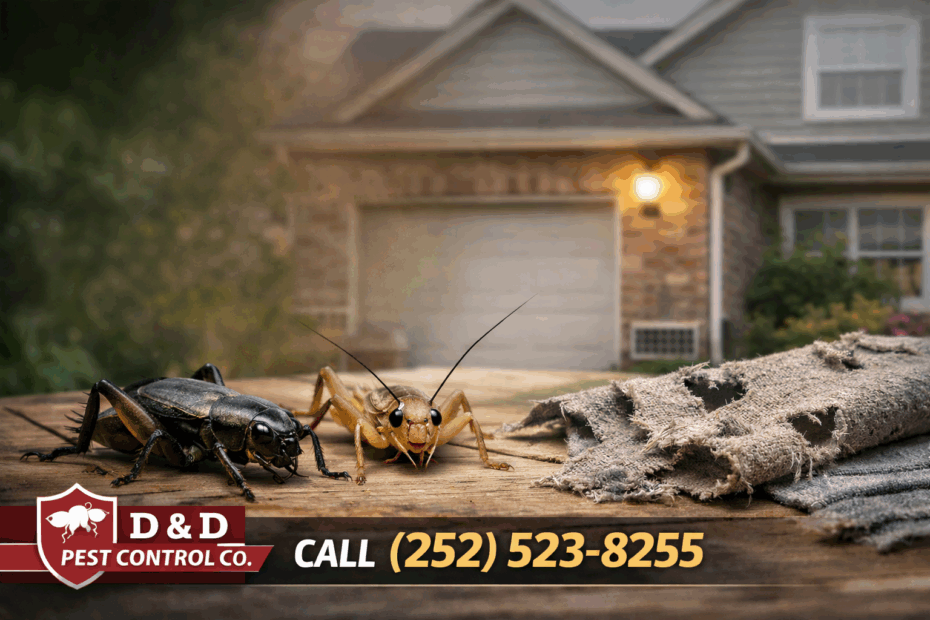
Crickets

Crickets are common nuisance pests in Eastern North Carolina, especially during late summer and fall when they migrate indoors seeking warmth, moisture, and shelter. While they donโ€™t bite or spread disease, crickets can become disruptive, noisy, and damaging when populations… Read More »Crickets
Head Lice, Lice

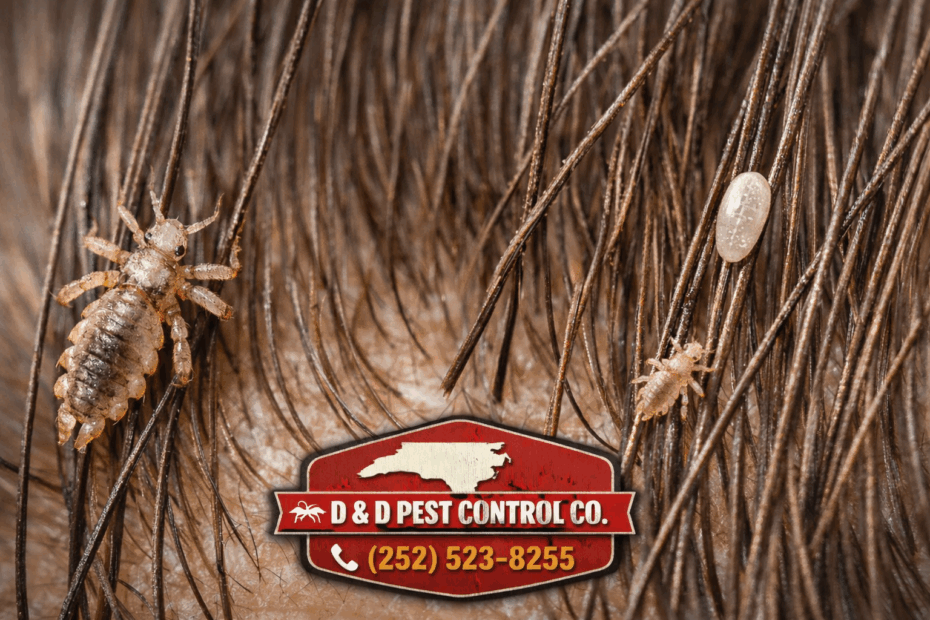
Head Lice

Small parasites, big nuisanceโ€”head lice are a common problem for families, schools, and childcare settings in Eastern North Carolina. Understanding how they spread, how to identify them, and what truly works for control is the first step toward fast relief… Read More »Head Lice

Body Lice. Lice

Boby Lice

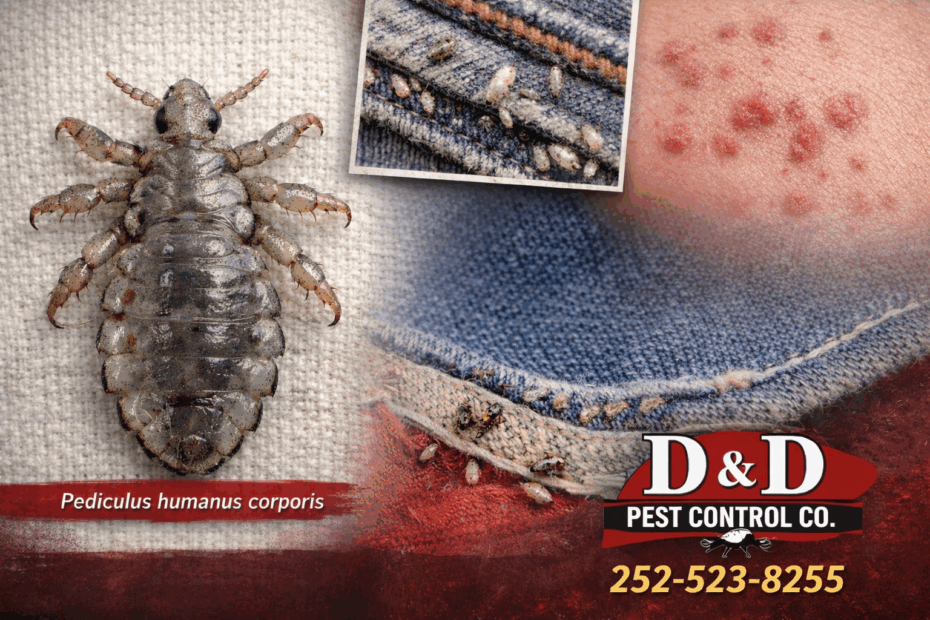
Body lice are parasitic insects that feed on human blood and are most often associated with poor sanitation, crowded living conditions, and infrequent laundering of clothing. While less common than head lice, body lice present serious health concerns because they… Read More »Boby Lice

Tick, Deer Tick, Ticks

Tick

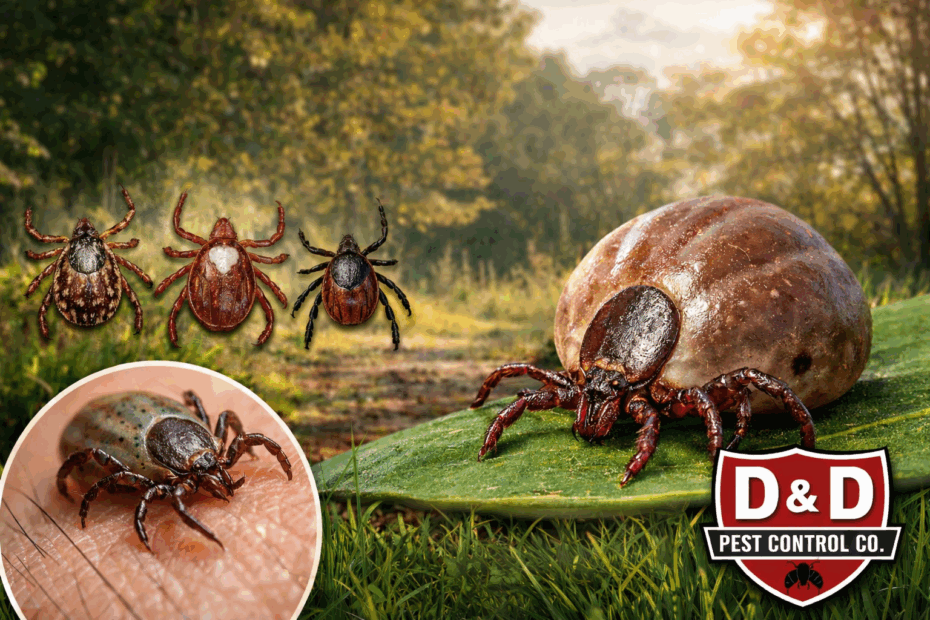
Ticks are blood-feeding parasites commonly found across Eastern North Carolina, especially in wooded areas, tall grass, brushy edges, and yards with pets or wildlife activity. Unlike insects, ticks are arachnids (related to spiders and mites) and pose a serious health… Read More »Tick

Fruit Fly, Fruit Flies

Fruit Fly

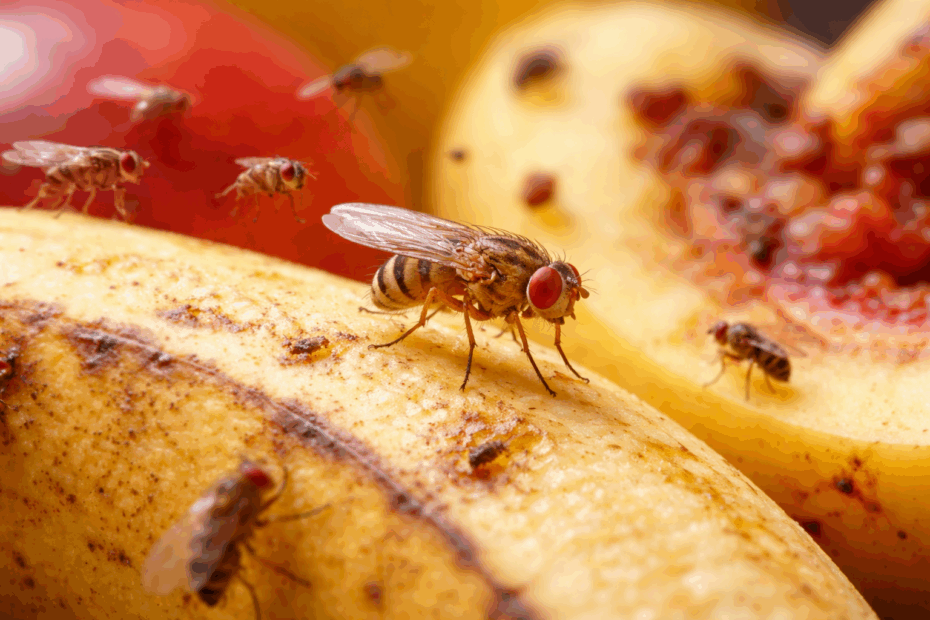
Fruit flies are one of the most common and frustrating household pests in Eastern North Carolina. These tiny flies seem to appear overnight, swarming kitchens, trash cans, drains, and anywhere fermenting food is present. Warm, humid conditions in our region… Read More »Fruit Fly

Paper Wasps

Paper Wasp

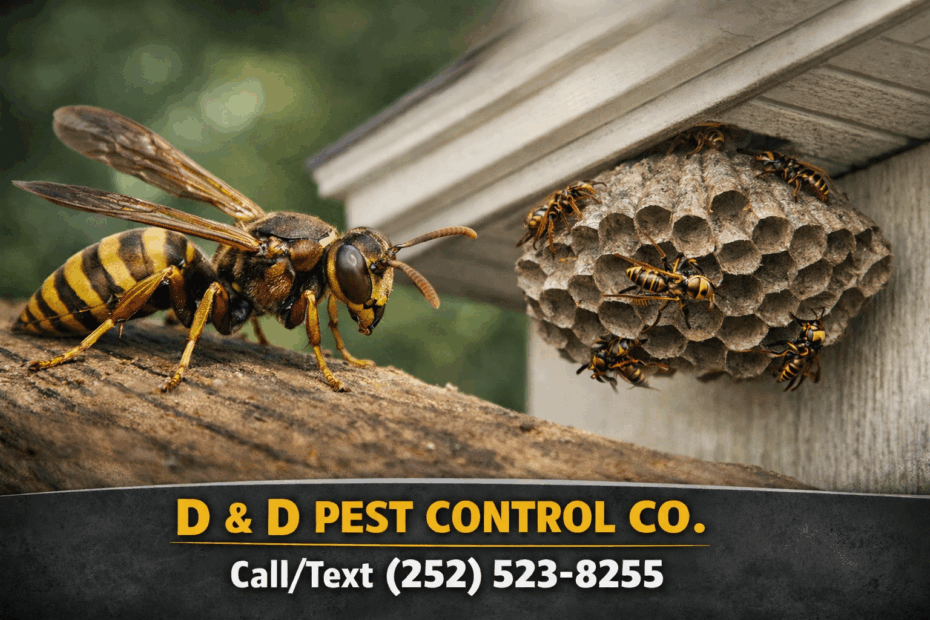
Paper wasps are common stinging insects found throughout Eastern North Carolina. While they play a role in controlling other insects, they often become a problem when nests are built close to homes, decks, entryways, or commercial buildings. Their defensive nature… Read More »Paper Wasp

Honey Bee's, Honeybee,

Honeybee

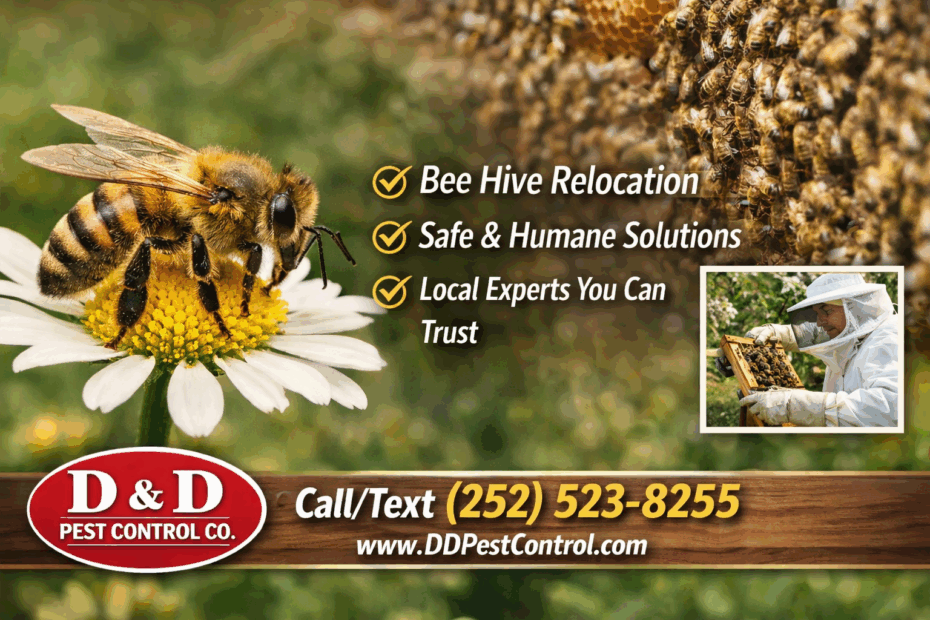
Honeybees are beneficial pollinators that play a critical role in agriculture and natural ecosystems across Eastern North Carolina. While they are not considered pests, problems can arise when colonies establish hives inside walls, attics, soffits, chimneys, or trees close to… Read More »Honeybee

Drywood Termites,

Drywood Termites

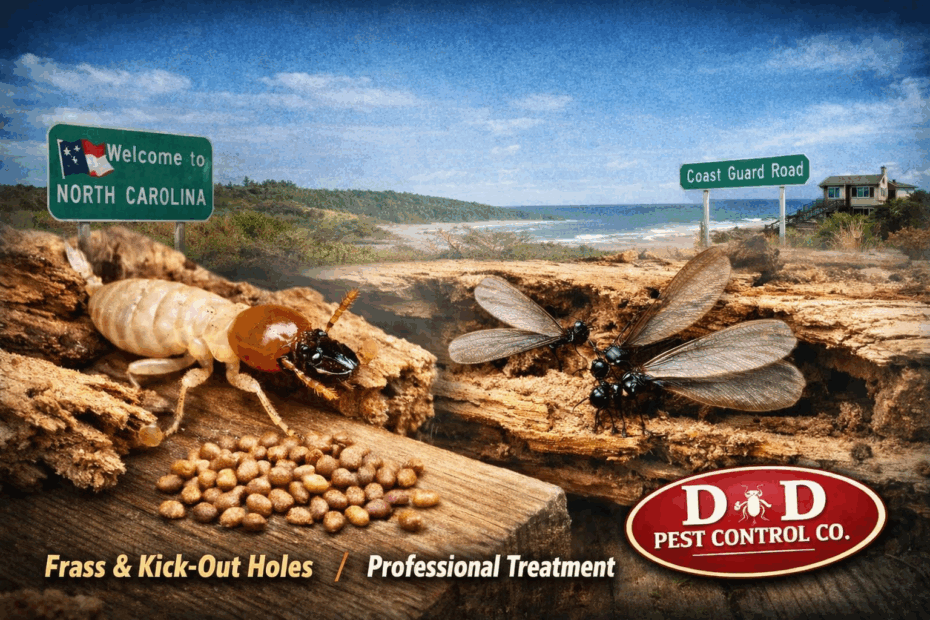
Drywood termites are a less common but very real threat to homes and structures in North Carolina. Unlike subterranean termites, drywood termites do not require contact with soil and can live entirely inside dry woodโ€”making them especially dangerous when they… Read More »Drywood Termites

Garden Spider, writing spider, zipper spider, corn spider, Argiope aurantia

Garden Spider

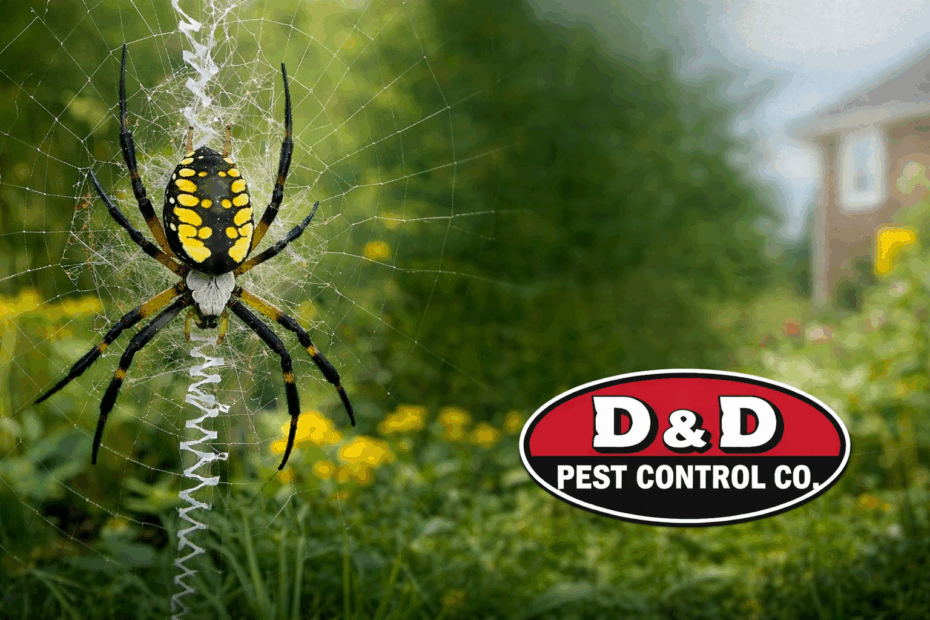
Garden spiders are large, eye-catching spiders commonly found around homes, gardens, fences, and landscaped areas in Eastern North Carolina. While their size and bold markings can be alarming, garden spiders are considered beneficial and pose very little risk to people.… Read More »Garden Spider

Assassin Bugs, Assassin Bug

Assassin Bug

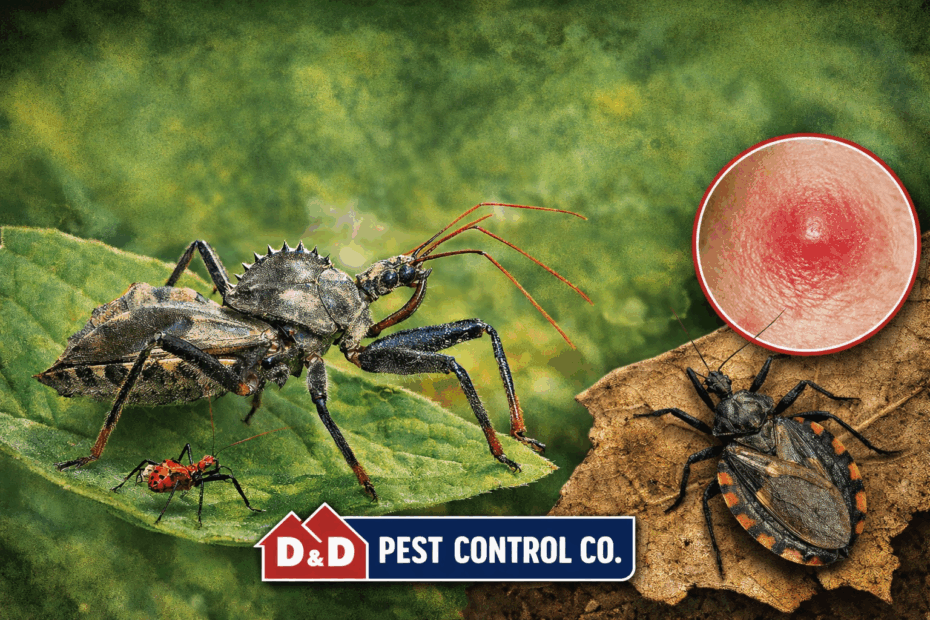
Assassin bugs are predatory insects commonly found throughout Eastern North Carolina, especially around homes, gardens, crawlspaces, and wooded areas. While they play a beneficial role by feeding on other insects, they are not harmlessโ€”their bite is defensive and can be… Read More »Assassin Bug