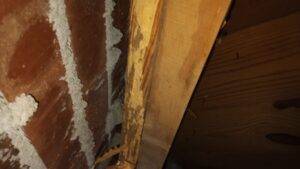
Wood-Boring Insect & Wood Borer Inspection in Eastern North Carolina
Small holes and fine powder coming from your beams, joists, or hardwood floors can be a warning sign that wood-boring insects are at work inside your home. Over time, wood borers can weaken structural members, ruin finished wood surfaces, and lead to expensive repairs if the problem is not properly inspected and addressed.
D & D Pest Control Co. provides professional wood-boring insect and wood borer inspections for homes and businesses across Eastern North Carolina. We identify powderpost beetles, old house borers, and other wood-destroying insects, determine whether the activity is active or old, and recommend the right treatment and moisture control solutions for your structure.
What Are Wood Borers & Wood-Boring Beetles?
Wood borers are insects whose larvae live and feed inside wood. In structural pest control, the most common culprits include:
- Powderpost beetles – Small beetles whose larvae tunnel through seasoned hardwood (and in some cases softwood), leaving tiny round exit holes and fine, flour-like or slightly gritty frass (wood dust) on surfaces below.
- Anobiid beetles – Sometimes called “furniture” or “deathwatch” beetles. They attack softwoods and hardwoods, often in damp crawlspaces, basements, and older framing lumber.
- Old house borers – Long-horned beetles that attack structural softwoods (like pine). They create larger oval exit holes and can cause significant damage in structural framing.
In all these cases, the most destructive life stage is the larva, which can spend months or years feeding inside the wood before emerging as an adult and chewing its way out.
Where Do We Find Wood-Boring Insects in Homes?
Because their damage is often hidden, wood borers are easy to overlook until the problem has been present for several seasons. We commonly encounter wood-boring beetle activity in areas such as:
- Crawlspaces with elevated moisture or poor ventilation
- Joists, sill plates, beams, and subflooring over damp soil or wet piers
- Hardwood flooring, stair treads, and stair stringers
- Exposed beams, trim, and decorative mantels
- Unfinished or poorly sealed wood in garages, barns, and workshops
- Imported or reclaimed lumber and antique furniture brought into the home
Eastern North Carolina’s climate, with warm temperatures and high humidity, can create ideal conditions for certain wood-boring beetles when wood is not properly dried, sealed, or kept dry in service.
Signs You May Need a Wood Borer Inspection
Because larvae are hidden inside the wood, you rarely see the insects themselves. Instead, you notice evidence of their activity. Common signs include:
- Exit holes in wood – Tiny round or oval holes on the surface of beams, joists, floors, trim, or furniture. The size and shape of the hole can help identify the type of beetle.
- Frass (wood powder or pellets) – Fine, flour-like powder or slightly gritty dust accumulating on surfaces below infested wood. The texture and color of the frass can provide clues to the species and whether activity is fresh or old.
- Soft, blistered, or crumbling wood – Wood may sound hollow when tapped or break apart in thin layers along galleries.
- New damage over time – Fresh exit holes appearing season after season, often during warmer months, may indicate an active infestation.
- Visual damage in crawlspaces – In low, damp crawlspaces, joists and beams may show clusters of holes and frass along the lower edges and sides.
If you see these signs, a professional evaluation is the safest way to determine what is causing the damage and how serious it is.
Moisture, Lumber Quality & Wood-Borer Risk
Most structural wood-boring beetles prefer damp or poorly dried wood. Their eggs and larvae tend to thrive in higher moisture levels and in wood that still contains accessible starches and sugars. Factors that increase the risk of infestation include:
- Chronically wet crawlspaces without vapor barriers or dehumidification
- Roof, plumbing, or exterior leaks that keep framing wet
- Use of improperly stored or air-dried lumber without kiln sterilization
- Wood in direct contact with soil or masonry without proper separation
- Firewood and log furniture stored or used indoors for long periods
On the flip side, kiln-dried lumber with a bug-kill cycle, proper moisture control, and good sealing/finishing greatly reduce the risk of new infestations.
How D & D Pest Control Co. Performs a Wood-Borer Inspection
Our wood-boring insect inspection process is designed to answer three key questions:
- What type of wood-destroying insect is present (if any)?
- Is the activity active or old and inactive?
- How far has the damage spread, and what treatments or repairs are needed?
Step 1 – Client Interview & History
- Discuss where you have seen holes, frass, or damaged wood.
- Review the age of the home, renovations, additions, or past pest treatments.
- Ask about moisture problems, leaks, or prior termite or beetle issues.
Step 2 – Exterior & Foundation Review
- Inspect siding, band joists, and exposed framing where accessible.
- Look for drainage problems that keep soil damp against the foundation.
- Note any conditions conducive to both termites and wood borers.
Step 3 – Crawlspace & Structural Wood Inspection
- Examine sill plates, joists, beams, piers, and subflooring.
- Document exit holes, frass patterns, and areas of soft or deteriorated wood.
- Check moisture levels and ventilation, and identify any plumbing or foundation leaks.
Step 4 – Interior & Attic Inspection
- Visually inspect hardwood flooring, staircases, exposed beams, and trim.
- Check attics and upper framing for signs of old house borers or other beetles.
- Identify and photograph suspect areas for your records.
Step 5 – Identification, Activity Assessment & Report
- Assess whether damage appears old (inactive) or fresh (potentially active).
- Explain likely insect groups (powderpost, anobiid, old house borer, etc.).
- Recommend treatment options, moisture corrections, and any structural repairs.
- Coordinate with termite/WDI reports when needed for real estate transactions.
Wood-Boring Insect Treatment Options After Inspection
Once your inspection is complete, we tailor a treatment plan to the type of insect, extent of damage, and condition of the structure. Options may include:
- Borate treatments to exposed wood – Liquid borate products can penetrate bare or unfinished wood surfaces, helping control active larvae and protect against future attack in many situations.
- Localized replacement of severely damaged members – Heavily damaged joists, beams, or boards may need to be replaced, sistered, or reinforced.
- Moisture control & crawlspace improvements – Installing or upgrading vapor barriers, dehumidifiers, and drainage can remove the conditions that allow wood-boring beetles and fungi to thrive.
- Whole-structure options (when justified) – In rare cases with widespread, severe infestations, fumigation or other intensive treatments may be considered; these are typically reserved for structures with significant beetle activity throughout.
We focus on accurate identification and realistic solutions, not “one-size-fits-all” treatments that may be unnecessary or overly expensive.
Preventing Future Wood-Borer Problems
A good inspection and treatment plan is only part of the solution. Long-term protection also depends on prevention, including:
- Keeping crawlspaces dry – Vapor barriers, proper grading, gutters, and dehumidifiers can make the environment less attractive to wood borers and fungi.
- Using properly dried and treated lumber – Whenever possible, work with kiln-dried lumber that has been properly stored and, where appropriate, treated for wood-destroying insects.
- Inspecting new wood and furniture – Check reclaimed lumber, timbers, and antique furniture for exit holes and frass before bringing them into your home.
- Storing firewood outdoors – Keep firewood off the ground and away from the house, and bring in only small amounts as needed rather than storing it indoors for long periods.
- Scheduling periodic inspections – If you own an older home, cabin, or structure with exposed wood, a periodic professional inspection can catch early signs of trouble.
Frequently Asked Questions About Wood-Boring Insect & Wood Borer Inspections
How do I know if the wood-borer damage is active or old?
One common method is to clean or vacuum existing frass and monitor for new dust and fresh exit holes over time. Our inspections look at the color and texture of frass, sharpness of exit holes, and seasonal patterns to help determine whether the infestation appears active or inactive.
Are wood borers as destructive as termites?
Both can cause serious damage, but they behave differently. Termites usually attack from the soil and can quickly compromise structural members. Wood-boring beetles tend to cause damage more slowly, but over time they can significantly weaken beams, joists, floors, and trim if infestations are heavy or long-running.
Can sealing or painting wood stop wood borers?
Proper sealing, painting, or finishing can help prevent new beetle infestations by making it harder for adults to lay eggs on or in the wood. However, once larvae are already inside, surface sealers alone will not eliminate them. That is why inspection and targeted treatments are important when active activity is suspected.
Does every home with exit holes need treatment?
Not necessarily. Many homes have old, inactive wood-borer damage that no longer requires treatment. The key is determining whether new activity is occurring and whether the damage is localized or widespread. Our inspectors will walk you through their findings and explain when treatment is recommended and when monitoring may be sufficient.
Can wood-boring beetles spread from one piece of wood to another?
Yes. In certain conditions, adult beetles can emerge from one infested piece of wood and lay eggs on nearby susceptible wood. This is more likely when moisture is high and unsealed or unfinished wood is available. Preventive measures, moisture control, and proper finishing help limit the risk of spread.
Do you provide written reports after a wood-borer inspection?
Yes. We can provide written documentation of findings, photos of key areas, and detailed recommendations for treatment, repair, and moisture improvements. If you need a formal wood-destroying insect report (such as for a real estate transaction), we can also discuss your options.
Schedule a Wood-Boring Insect & Wood Borer Inspection Today
If you’re seeing suspicious holes, piles of wood dust, or soft wood in your floors or framing, don’t guess at the cause. A professional inspection can save you time, money, and stress by pinpointing the problem and providing a clear plan of action.
Call D & D Pest Control Co. today at (252) 523-8255 or visit ddpestcontrol.com to schedule your wood-boring insect & wood borer inspection anywhere in Eastern North Carolina.
We’ll help you protect your investment from hidden wood-destroying insects, moisture issues, and other structural pests so your home stays strong for years to come.